
Enrichment at the Zoo
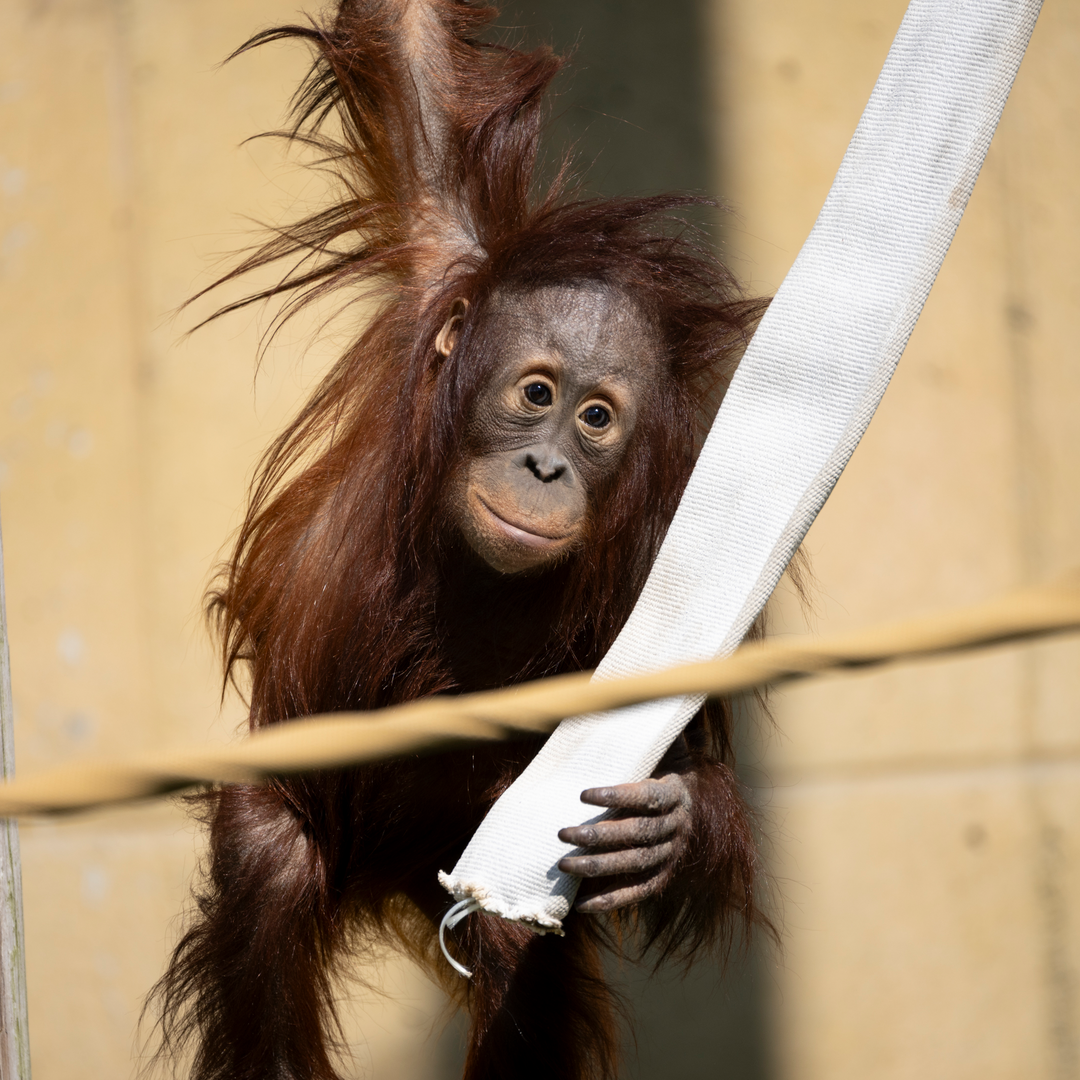 At first glance, animal enrichment might just look like giving animals toys to play with. But enrichment is really about helping animals feel at home and giving them chances to do things they naturally enjoy. It's a thoughtful way to care for animals, letting them explore, make choices, and express natural behaviors that make their species unique.
All animal care staff—including keepers, medical staff, nutritionists, curators, and scientists—contribute to enrichment programs. While each team may do things a little differently, most follow a similar path: goal-setting, planning, implementation, documentation, evaluation, and adjustment. This systematic process connects science and practice.
Behavioral science research guides the development of new enrichment methods, which are implemented, observed, and refined. It’s a cycle of learning and improving, always focused on what’s best for the animals.
Types of Enrichment
The first step in enrichment is to identify the components of desired behaviors, such as stalking or digging, and determine which to encourage and which to discourage. Safety is always a key consideration.
Enrichment generally falls into several categories:
- Habitat – examples include adding trees and vines for climbing
- Cognitive – examples include positive reinforcement training activities
- Sensory - examples include novel smells or recorded sounds
- Food - examples include puzzle feeders or frozen treats
- Toys – such as boomer balls or hammocks—can also be used. Enrichment activities often use repurposed materials and support sustainability. When thoughtfully incorporated, enrichment increases positive animal behaviors, reduces unwanted behaviors, and enhances visitor experience.
How Ennrichment is Selected
- Safety—risks of entanglement, ingestion, escape, or disease transmission
- Aesthetics—effects on habitat appearance or public perception
- Behavior—potential to disrupt natural or social behaviors
- Previous experience—evidence of success at this or other institutions
- Obstacles—feasibility and cost
Enrichment Features:
- From Fire Engines to Animal Habitats: The Use of Fire Hose at the Columbus Zoo, Zoo's Blog, October 2024
- Ohio State Donates Home Turf to the Zoo, Zoo's Blog, July 2022
- Enrichment: An Introduction to the Science of Behavioral Husbandry, January/February 2020 Volunteer Newsletter
- Enrichment Around the Zoo: Enhancing the Experiences of the Animals and Enriching the Guest Experience, March 2020 Volunteer Newsletter
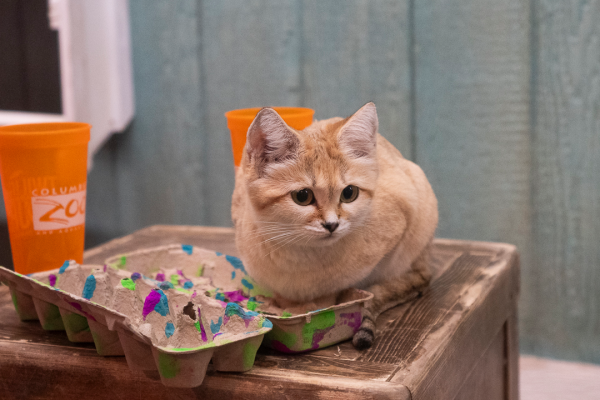
One person's trash is another animal's treasure!
The Volunteer Team collects enrichment items throughout the year for use by Animal Care staff to enhance the wellbeing of the animals in the Zoo's care.
Before you bring in items, you must reach out to Barb Emmets at zoobemmets@gmail.com first to ensure we need the items and we have enough space to store them. Once approved by Barb, items can be dropped off in the closet near the large monitor in the Education lobby.
Currently Accepting:
- Newspapers
- Paper Towel Tubes
- Paper Grocery Bags
- Paper Lunch Bags
- Paper Lawn/Leaf Bags
- Cereal Boxes
- Phone Books
- Paper Plates, Bowls, and Cups
- Blankets (Plain, no branding. No filling.)
- Flat Sheets
- Wrapping Paper
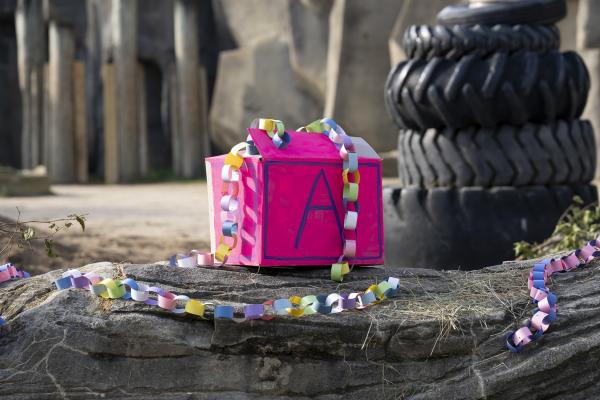
Enrichment Workshops
Throughout the year, the Enrichment Projects Committee Chairs will lead volunteers in creating themed enrichment for special events at the Zoo.
These workshops will be on the calendar, and shifts will be posted on Volgistics.